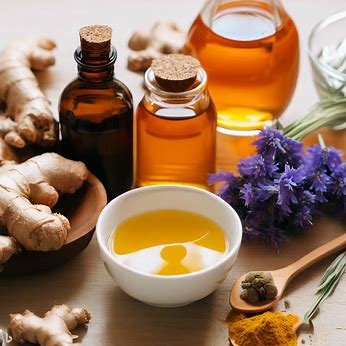
Natural Remedies for Common Ailments: Discover Effective Solutions for Better Health.

Seeking natural remedies for common ailments has become increasingly popular in recent years. With concerns about side effects and the rising costs of conventional medicine, many individuals are turning to alternative solutions for their health concerns. In this article, we will explore a variety of natural remedies for common ailments that can help alleviate symptoms and improve overall health. By opting for these natural alternatives, you can take control of your well-being in a safe and sustainable manner.

1. Ginger for Digestive Issues:
Ginger has been used for centuries to relieve various digestive problems such as indigestion, bloating, and nausea. The active compounds in ginger, including gingerol and shogaol, have anti-inflammatory properties that can soothe the digestive system. Whether consumed as a tea, added to meals, or taken in supplement form, ginger is a powerful natural remedy that can provide quick relief.

2. Honey for Sore Throat:
Honey has long been recognized for its healing properties. When it comes to soothing a sore throat, a teaspoon of raw honey can work wonders. Its antibacterial qualities help kill bacteria in the throat, while its syrupy consistency coats and soothes the irritated tissues. Remember to opt for raw, organic honey for maximum effectiveness.

3. Eucalyptus for Respiratory Congestion:
Eucalyptus oil is known for its ability to help clear respiratory airways. Its powerful aroma acts as an expectorant, helping to loosen mucus and relieve congestion. A few drops of eucalyptus oil in a diffuser or a steam inhalation can provide relief for nasal congestion, sinusitis, and coughs.

4. Turmeric for Inflammation:
Turmeric contains a compound called curcumin, which has potent anti-inflammatory properties. Adding turmeric to your diet can help reduce inflammation associated with conditions such as arthritis and gastrointestinal disorders. Turmeric can be consumed as a spice in various dishes or taken as a supplement for targeted relief.

5. Chamomile for Sleep Disorders:
Chamomile tea is renowned for its calming properties, making it an excellent natural remedy for insomnia and sleep disorders. The herb contains apigenin, a compound that promotes relaxation by binding to certain receptors in the brain. Sipping a cup of chamomile tea before bed can help you unwind and prepare for a restful night’s sleep.

6. Lavender for Stress and Anxiety:
Lavender is one of the most popular natural remedies for stress and anxiety. Its soothing scent has a calming effect on the nervous system, helping to reduce stress levels and promote relaxation. You can use lavender essential oil in a diffuser, add a few drops to your bathwater, or even apply it to your temples for quick relief.

Conclusion:
Natural remedies for common ailments provide a safe and effective alternative to conventional medicine. From ginger for digestive issues to chamomile for sleep.


Exploring Alternative Medicine: Integrative Approaches to Health and Healing

In recent years, alternative medicine has gained significant attention as people seek holistic and integrative approaches to health and healing. With its focus on a more comprehensive understanding of the body and mind, alternative medicine offers a wide range of therapies and practices that can complement conventional medical treatments. This article aims to explore the concept of alternative medicine and shed light on some integrative approaches that have shown promise in promoting overall well-being.

Alternative Medicine

Alternative medicine encompasses a diverse array of practices, including acupuncture, herbal medicine, naturopathy, chiropractic care, and mind-body therapies like meditation and yoga. One of the core principles of alternative medicine is treating the root cause of illness rather than just managing symptoms. It revolves around the belief that the body has an inherent capacity to heal itself when provided with the right support.

Acupuncture

Acupuncture, a traditional Chinese medicine practice, involves the insertion of thin needles at specific points on the body. This ancient technique aims to restore the flow of energy, known as Qi, along the body’s meridians. Numerous studies have shown that acupuncture can effectively alleviate pain, reduce stress, and improve overall well-being.

Herbal medicine

Herbal medicine, another integral component of alternative medicine, utilizes plant extracts and botanical preparations to promote healing. Many plant-based remedies have been used for centuries in different cultures to address various health conditions. For example, St. John’s wort has been traditionally used to relieve symptoms of depression, while ginger is known for its anti-inflammatory properties.

Naturopathy

Naturopathy is a holistic approach that combines natural therapies, such as herbal medicine, nutrition, and lifestyle modifications, to enhance the body’s ability to heal itself. Naturopathic doctors aim to identify and address the underlying causes of illness, focusing on prevention and individualized treatment plans.

Chiropractic

Chiropractic care focuses on the relationship between the spine and the nervous system, aiming to restore proper alignment and function. By utilizing manual adjustments, chiropractors aim to alleviate pain, improve mobility, and enhance overall health. This approach is commonly sought for conditions like back and neck pain, headaches, and musculoskeletal disorders.

Mind-Body Therapies

Mind-body therapies, including meditation, mindfulness, and yoga, emphasize the connection between mental and physical well-being. These practices help individuals cultivate relaxation, reduce stress, improve sleep, and boost emotional well-being. Research has shown that regular mindfulness meditation can have a positive impact on various health conditions, including anxiety, depression, and chronic pain.

It is important to note that while alternative medicine approaches hold promise, they are not meant to replace conventional medical care. Integrating alternative therapies into a comprehensive treatment plan should be done in consultation with healthcare professionals. They can provide guidance and ensure the safe and effective incorporation of alternative medicine practices.

ConclusionsAlternative medicine offers a range of integrative approaches to health and healing, focusing on treating the root cause of illness and promoting overall well-being. Practices like acupuncture, herbal medicine, naturopathy, chiropractic care, and mind-body therapies have shown promise in complementing conventional medical treatments. However, it is important to approach alternative medicine with caution and consult healthcare professionals for personalized guidance and supervision.

The Importance of Excercise and Physical Activity